

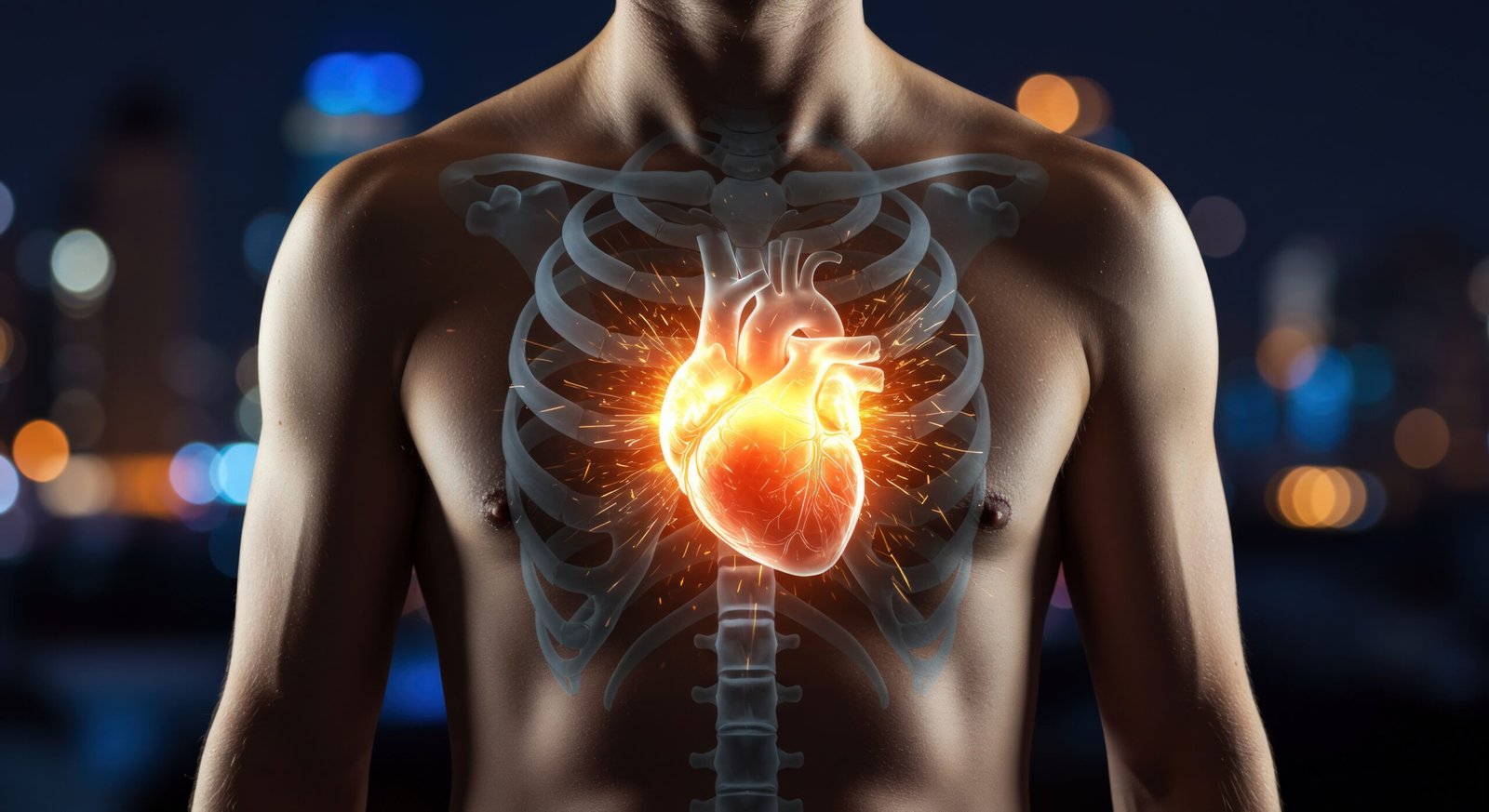
What Is Heart Disease Angina and Why Does It Matter?
Heart Disease Angina when I think about heart disease, angina is one of those terms that always stands out. Basically, angina is my Heart Valve Disease way of throwing up a flag: it’s not getting enough oxygen-rich blood. It’s often linked to narrowed arteries—a classic hallmark of coronary artery disease. Recognizing angina isn’t just about avoiding discomfort; it’s about preventing bigger, potentially life-threatening heart problems down the road.
Recognizing Common Heart Disease Angina Symptoms
My body is pretty good at letting me know when something isn’t quite right, but Symptoms Of Heart Disease can be sneaky or varied. The classic indicators I might notice include:
- Chest Pain or Discomfort: This isn’t always a sharp pain; it often feels more like pressure, squeezing, or heaviness, right at the center or slightly left side of my chest. Sometimes, it spreads to my arms, neck, jaw, back, or even my stomach.
- Shortness of Breath: Activities that used to be easy might now leave me winded.
- Sweating: Unexpected, cold sweats can accompany chest discomfort.
- Fatigue: I might feel unusually tired for no apparent reason, even without intense activity.
- Nausea or Indigestion: Oddly enough, sometimes I just feel sick to my stomach or as if I’m dealing with indigestion instead of chest pain.
Not Everyone Feels Angina the Same Way
What complicates things is that angina doesn’t always show up the same way for everyone. Women, older adults, and people with diabetes might experience it differently. For example, the pain could be subtler—or even absent altogether—while other symptoms like unusual tiredness, dizziness, or discomfort in the neck, jaw, shoulder, or upper back take center stage. That’s why it’s important not to ignore persistent feelings of unease, even if classic “chest pain” isn’t happening.
Types of Heart Disease Angina and Their Specific Patterns
Understanding the variety of angina helps me interpret what my symptoms might mean:
- Stable Angina: This is the predictable type. My symptoms typically come on during physical or emotional stress and improve with rest or nitroglycerin. It’s bothersome, but not usually an emergency—although it’s still a warning to address my heart health.
- Unstable Angina: This one’s serious. The pain signs of heart disease comes unexpectedly, can occur while I’m resting, and doesn’t always go away with medication or rest. If I feel this type, it’s time to get emergency medical help right away.
- Variant (Prinzmetal’s) Angina: Less common, this type is caused by a temporary spasm in the coronary arteries rather than a blockage. The chest pain often happens while I’m at rest, even overnight, and can be severe.
When to Seek Medical Attention
Sometimes it’s hard to know whether I should ride it out or call for help. But if I ever notice chest discomfort lasting more than a few minutes, that doesn’t subside with rest, or that’s paired with fainting, severe shortness of breath, or persistent nausea, I shouldn’t hesitate—I need to seek emergency care.
Heart Disease Angina
Ultimately, my body often knows when something major is off. If I ever suspect I’m experiencing angina—even if the Heart Disease Angina Symptoms are mild or strange—it’s best to check in with a healthcare professional. Early attention can make all the difference, not just in comfort, but in protecting the heart that keeps me going.










Leave a Reply