

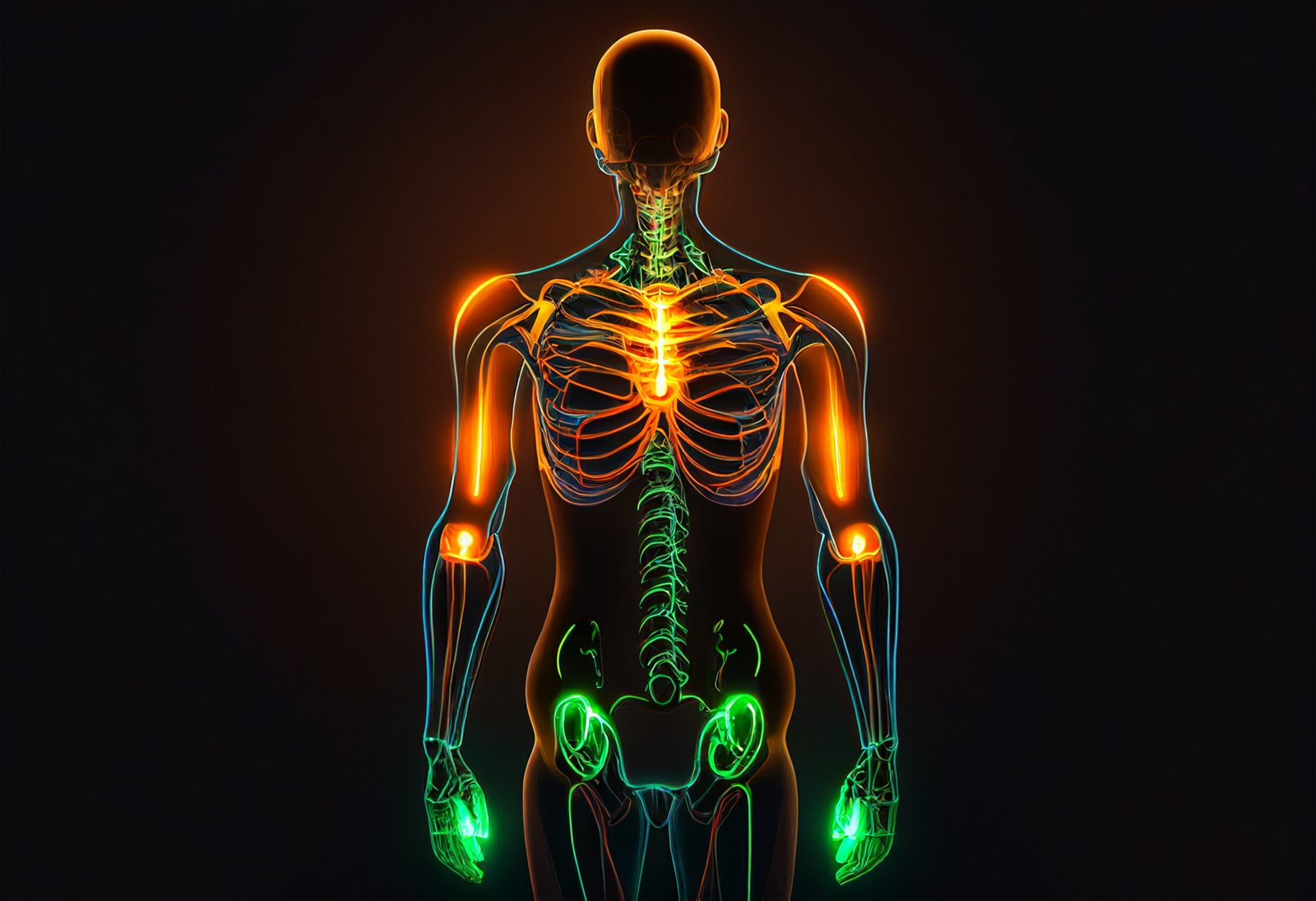
Introduction Bone & Soft Tissue Cancer
Bone & Soft Tissue Cancer when people hear the words “bone and soft tissue cancer,” a wave of anxiety often washes over them. I get it—it’s a heavy topic, packed with medical jargon and concerns about health and prognosis. But taking it step by step can demystify this complex subject. Let me walk you through what bone and soft tissue cancers are, their symptoms, diagnosis, and treatment options, while infusing some hope and clarity along the way.
What Are Bone & Soft Tissue Cancer?
Bone and soft tissue cancers, collectively known as sarcomas, are rare cancers arising from the body’s connective tissues. This includes bones, muscles, fat, blood vessels, nerves, and more. While most people associate cancer with more common organs like the lungs or breasts, sarcomas make up only about 1% of adult cancers—but they deserve just as much attention.
Types of Bone Cancer
- Osteosarcoma: The most common primary bone cancer; typically affects teenagers and young adults.
- Ewing Sarcoma: More frequent in children and young adults.
- Chondrosarcoma: Originates in cartilage cells, usually seen in people over 40.
Types of Soft Tissue Sarcomas
- Liposarcoma: Starts in fat cells.
- Leiomyosarcoma: Arises in smooth muscles.
- Angiosarcoma: Originates in blood or lymph vessels.
- Rhabdomyosarcoma: Most common in children, develops from skeletal muscle tissue.
- Others: There are over 50 recognized subtypes, each with its own quirks and characteristics.
Symptoms: When to Be Concerned
Let’s face it—most of us wouldn’t think twice about a sore arm or a lump under the skin. But some warning signs shouldn’t be ignored:
- A painless lump or swelling that grows over time
- Persistent bone pain that’s worse at night or with activity
- Unexplained fractures (bone breaks without a clear cause)
- Fatigue, fever, or unexplained weight loss
If anything seems off, it’s never a bad idea to check in with your healthcare provider.
Diagnosing the Problem
Diagnosis begins with a thorough discussion of your symptoms and medical history. Next up, your doctor may order imaging tests like X-rays, MRIs, or CT scans to pinpoint the tumor location and size. A biopsy (removing a piece of the tumor for lab analysis) remains the gold standard for confirming the cancer type. It’s a process, but knowing exactly what you’re dealing with makes all the difference.
Treatment Options Bone & Soft Tissue Cancer
Dealing with sarcomas requires a skilled, multi-disciplinary team approach. Here’s what treatment might involve:
Surgery
The primary treatment for most bone and soft tissue cancers is surgery, with the goal of removing the entire tumor. Surgeons will try to save as much healthy tissue and function as possible.
Chemotherapy
This involves using powerful drugs to destroy cancer cells. Chemotherapy is often used for certain bone cancers—like osteosarcoma and Ewing sarcoma—or when the sarcoma is aggressive or has spread.
Radiation Therapy
High-energy beams can shrink tumors before surgery or zap any remaining cancer afterward. It’s a precision tool in the sarcoma-fighting toolkit.
Targeted Therapies and Immunotherapy
For some subtypes, newer treatments like targeted therapies (which block specific cancer pathways) or immunotherapy (using your own immune system to attack cancer) are on the rise. These are not standard first-line options but may be considered in specific cases.
Living with and Beyond Sarcoma
Treatment is only one part of the story—life after a sarcoma diagnosis matters just as much. Physical therapy, emotional support, regular checkups, and sometimes prosthetics or reconstructive surgery may be part of the journey. No two experiences are exactly alike, but support groups and care teams can help you and your loved ones find strength, resilience, and a way forward.
Final Thoughts Bone & Soft Tissue Cancer
Sarcomas might sound intimidating, but developments in modern medicine have led to better outcomes and more options than ever before. Remember: early detection and expert care make a significant difference. Stay curious, trust your instincts, and don’t hesitate to reach out for support or more information if you ever need it.












Leave a Reply