

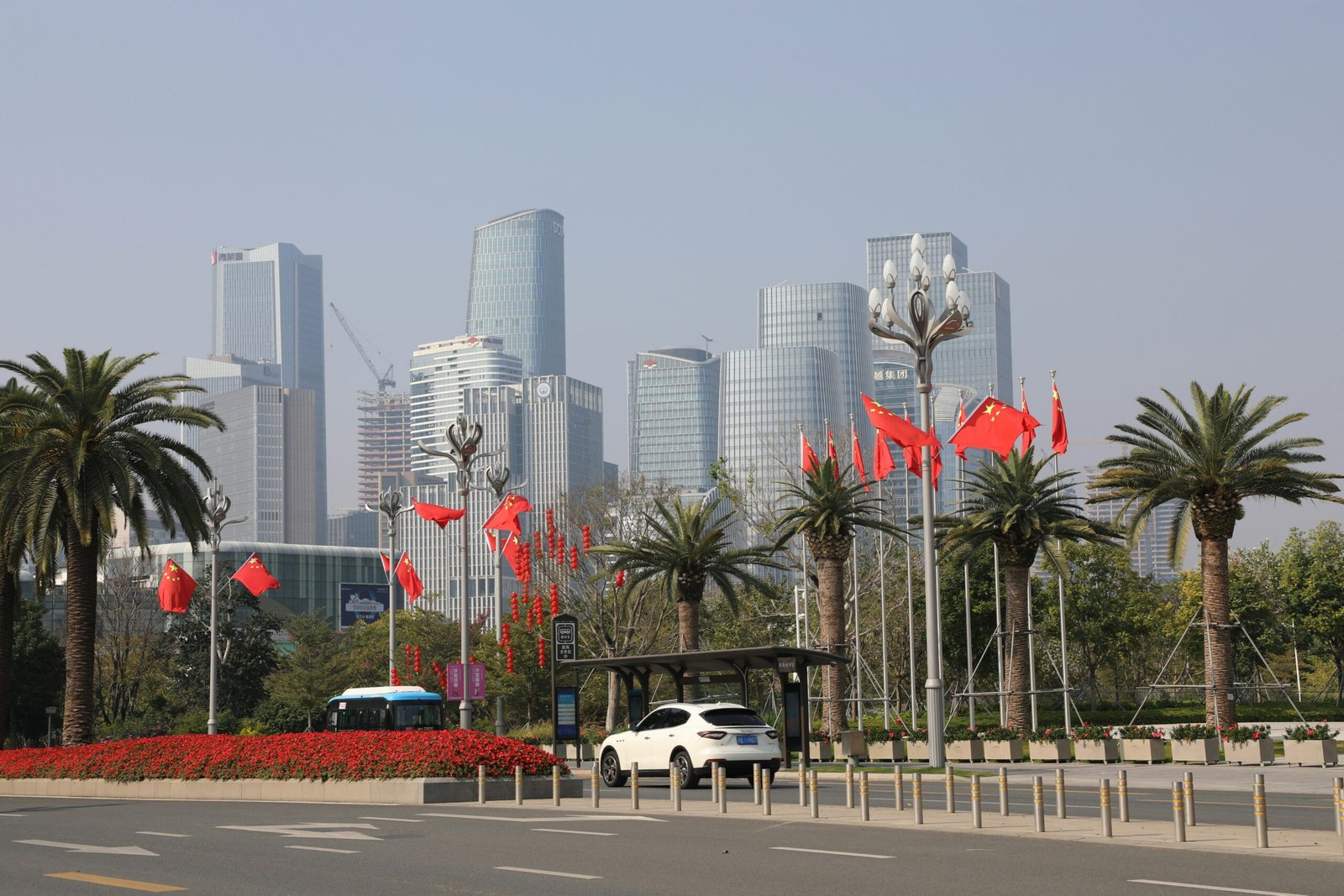
Introduction Largest Bank In World
Largest Bank In World banking is the lifeblood of the global economy, pumping capital where it’s needed and serving as a foundation for growth and security. If you’ve ever wondered which institution rules this world of finance, the answer is impressively straightforward: the Industrial and Commercial Bank of China (ICBC) stands tall as the largest bank on the planet by total assets. In this article, I’ll walk you through what makes ICBC such a juggernaut, why size matters in banking, and why you probably interact with its influence even if you’re continents away from China.
The Emergence of ICBC: A Brief History
ICBC was established in 1984, which makes it quite young compared to banking titans like JPMorgan Chase or Barclays. However, its growth has been nothing short of astonishing. Propelled by China’s rapid economic acceleration in the 21st century, ICBC has grown organically and strategically, making it an indispensable fixture not only in Asia but all over the world.
By 2006, ICBC had pulled off the world’s largest initial public offering (IPO) at the time, a move that didn’t just raise colossal capital—it signaled to the globe that Chinese finance had truly arrived.
Unrivaled Scale: Assets and Reach
As of 2025, ICBC boasts assets exceeding $6 trillion. That gives it a formidable edge over international rivals such as JPMorgan Chase, Mitsubishi UFJ Financial Group, and Bank of America. The sheer scale allows ICBC to lend more, invest more, and weather global shocks with a kind of resilience that’s the envy of the banking sector.
Its reach is surprisingly extensive too. With thousands of branches worldwide—from Beijing to London, New York to Johannesburg—ICBC has firmly planted its red-and-gold flag in more than 40 countries. This internationalization fuels not only profit but also influence, making it a global powerhouse.
What Does “Largest Bank In World” Mean in Banking?
When we say ICBC is the world’s largest, we’re usually talking about total assets. This includes cash, investments, loans, and other financial holdings. Bigger asset bases mean more lending power and greater flexibility in absorbing economic shocks.
But size isn’t just about bragging rights. For customers, it often means a bank is considered safer (the classic “too big to fail” idea), can offer more services, and is more likely to innovate thanks to hefty research budgets.
Global Influence: More Than Just Numbers
ICBC’s size brings significant influence. As China’s economy expanded overseas, so too did ICBC, backing infrastructure projects from Africa to Europe and supporting cross-border transactions in a way few banks can match. Its global ambitions have mirrored China’s aspirations, and the two feed off each other in a classic symbiosis.
On the technology front, ICBC invests heavily in digital banking, AI, and cybersecurity. This means it’s not just big—it’s modern, and sometimes even ahead of the curve compared to Western banking giants.
Challenges of Being Number One
Of course, being the biggest isn’t always sunshine and rainbows. ICBC faces hurdles like exposure to China’s real estate market, international regulatory headaches, and the ongoing challenge of keeping up with digital-first fintech firms. Geopolitical tensions also mean that expansion isn’t always as smooth as ICBC might like, particularly in North America and parts of Europe.
Conclusion Largest Bank In World
The Industrial and Commercial Bank of China’s rise to the top is a fascinating story of economic momentum, strategic expansion, and sheer ambition. Its role at the apex of the banking world isn’t just a Chinese phenomenon—it shapes capital flows and opportunities everywhere. Whether you’re a business owner, an investor, or someone just planning for the future, ICBC’s gravitational pull likely touches your world in subtle but significant ways.










Leave a Reply