

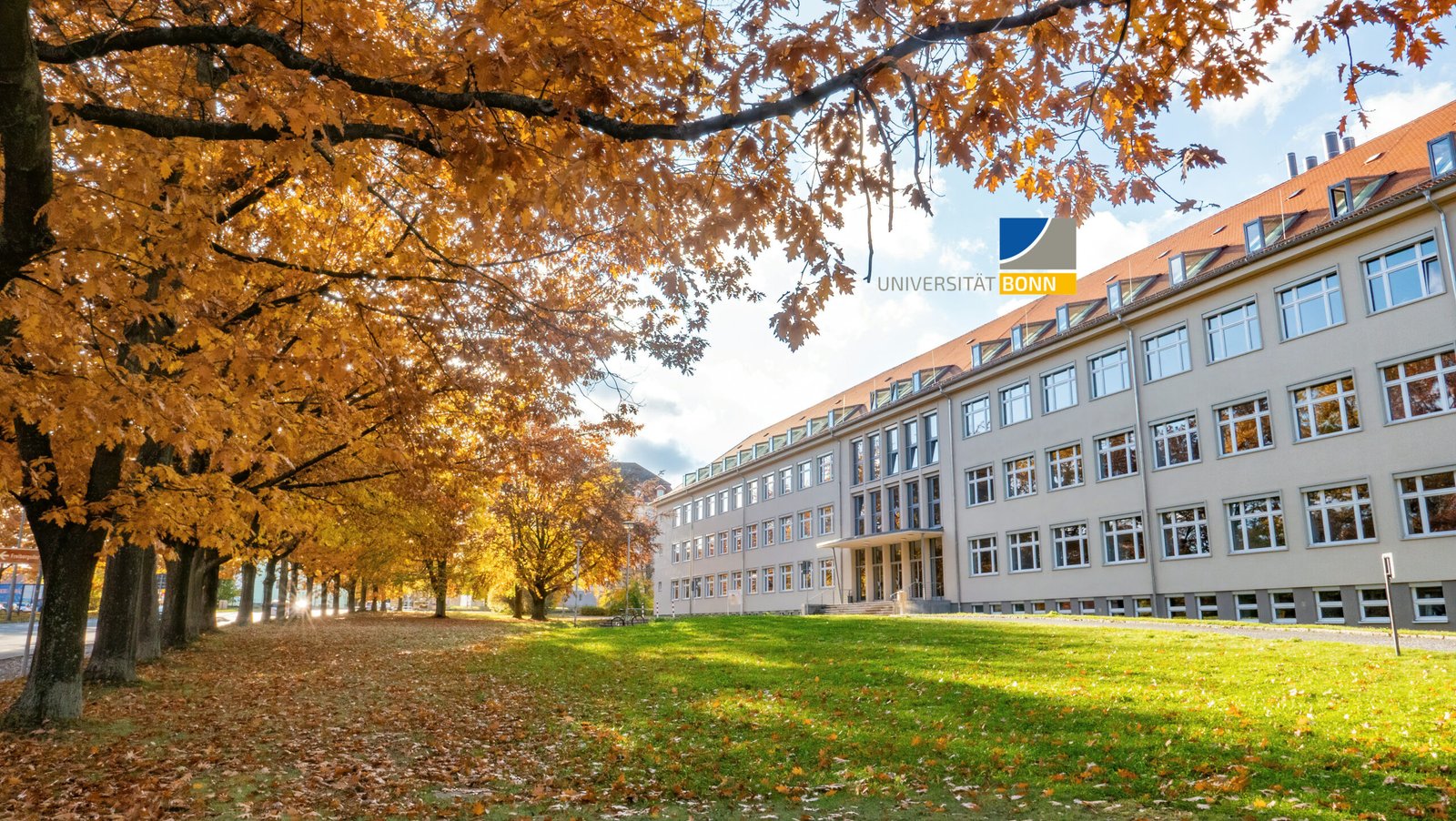
Why the University of Bonn Stands Out
The University of Bonn is one of Germany’s most respected public research universities, known for its rigorous academics, international outlook, and vibrant city setting along the Rhine. With roots dating back to 1818, it blends tradition with innovation, offering a wide range of programs taught in German and English, especially at the graduate level.
Academic Strengths and Programs
Bonn’s reputation is anchored in strong faculties such as Mathematics, Economics, Physics, Philosophy, Law, and the Life Sciences. Research clusters in areas like mathematics, immunology, neuroscience, and agricultural sciences attract scholars from around the world. Prospective students will find:
- Bachelor’s degrees primarily in German across humanities, natural sciences, and social sciences
- Numerous English-taught master’s programs (e.g., Economics, Mathematics, Neurosciences)
- Structured doctoral programs and graduate schools with intensive research supervision
University Of Bonn Admissions and Language
As a public German university, admissions vary by program. Generally, you’ll need a recognized secondary school diploma for bachelor’s studies or a relevant undergraduate degree for master’s programs. International applicants should prepare:
- Certified transcripts and a detailed CV
- Proof of language proficiency: TestDaF/DSH (German) or IELTS/TOEFL (English) depending on program
- Additional documents such as a statement of purpose, writing sample, or GRE for selected fields
Application timelines typically run from late spring to mid-summer for winter semester intake, and late fall for the summer semester. Always verify specific program deadlines.
Research Culture and Funding
Bonn fosters a collaborative research environment with excellence clusters, institutes, and partnerships with the Max Planck Society, Helmholtz Association, and local research hospitals. Funding options for international students include DAAD scholarships, program-specific stipends, and research assistantships. Many labs offer opportunities to join projects early, building a strong publication record and academic network.
University Of Bonn Campus Life and the City of Bonn
Bonn is compact, green, and culturally rich—Beethoven’s birthplace with easy access to the Rhine, museums, and parks. Students benefit from:
- Affordable living relative to larger German cities
- A semester ticket for regional transport (depending on current rules)
- Active student organizations, sports, and cultural events
- Libraries, learning centers, and maker spaces across multiple campus sites
Housing can be competitive; consider applying early to student dormitories or shared flats (WGs).
Career Outlook and Alumni Network
Graduates of Bonn are well regarded in academia, industry, public policy, and international organizations. The university’s career service offers workshops, internships, and employer networking. Bonn’s proximity to UN agencies and NGOs enhances opportunities in sustainability, development, and governance.
Quick Tips for Applicants
- Start early: align your documents, translations, and language tests
- Check program language and prerequisites carefully
- Explore scholarships and fee waivers well ahead of deadlines
- Reach out to program coordinators and current students for insights
Ready to take the next step? The University of Bonn combines research excellence with a welcoming student experience—an excellent choice for international learners seeking academic rigor and a high quality of life in Germany.







Leave a Reply