

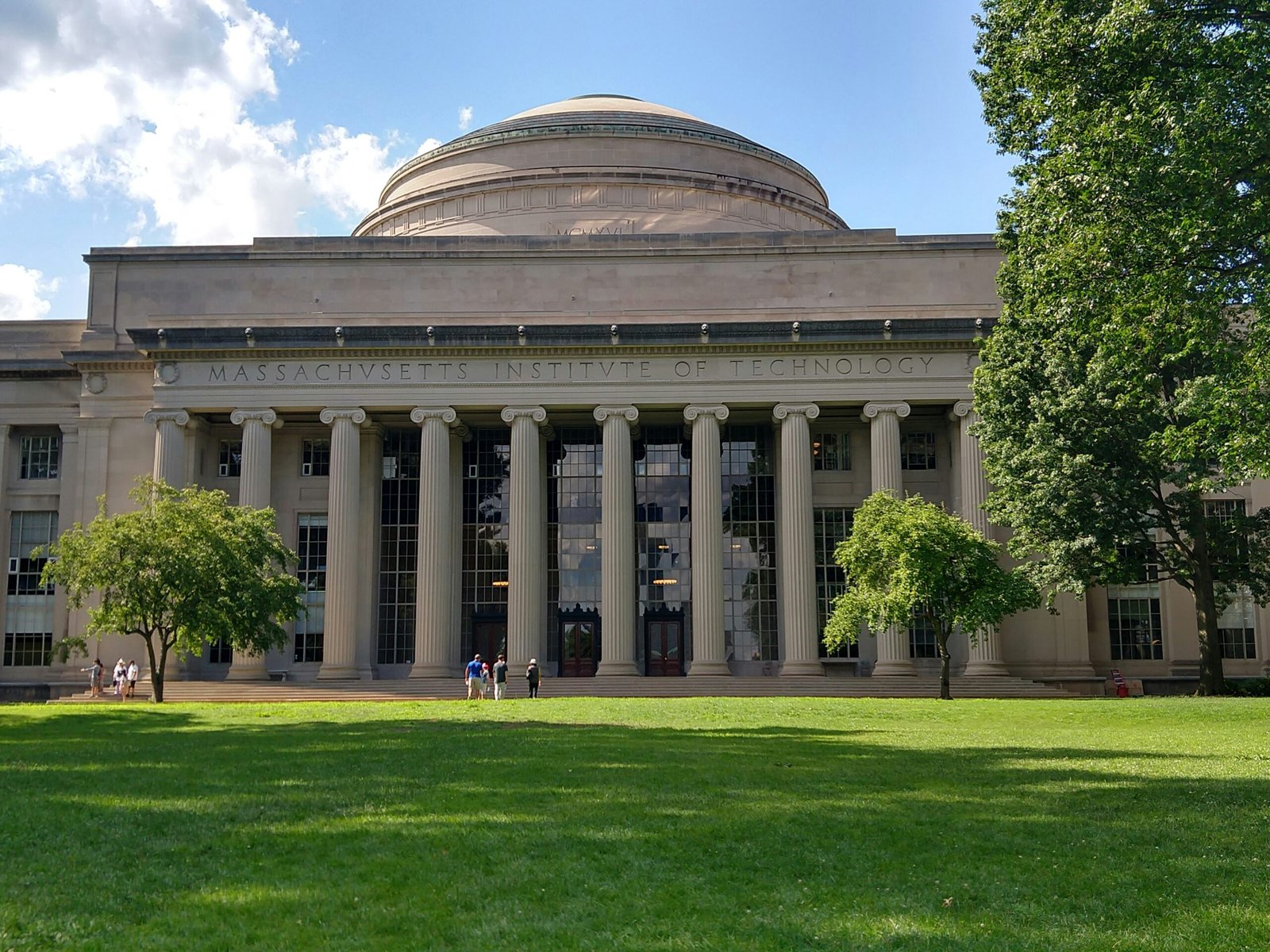
Overview Massachusetts Institute Of Technology
Choosing a degree path at the Massachusetts Institute Of Technology (MIT) can feel like navigating a maze of brilliant options. Here’s a clear, friendly walkthrough of the major degree types—from undergraduate foundations to advanced research doctorates—so you can match your goals to the right path.
Massachusetts Institute Of Technology Undergraduate Degrees (SB)
MIT awards the Bachelor of Science (SB) across five schools: Architecture and Planning; Engineering; Humanities, Arts, and Social Sciences; Management; and Science. Most students major in a numbered Course (like Course 6 for Electrical Engineering and Computer Science or Course 2 for Mechanical Engineering). The SB blends rigorous math and science with a core of humanities, arts, and social sciences. Expect hands-on learning through labs, design studios, and the famed Undergraduate Research Opportunities Program (UROP).
Enhanced Bachelor’s Options (MEng and Dual SB)
Some departments offer a fifth-year Master of Engineering (MEng) for students who want deeper technical expertise without leaving academia for long. In EECS, for example, the MEng builds on the SB with advanced coursework and a thesis or significant project. Dual SB degrees are also possible when requirements overlap, though careful planning (and stamina) is essential.
Professional Master’s Degrees (MArch, MCP, MBA, MAS, MSRED)
MIT offers professional graduate programs that emphasize applied skills and leadership:
- MArch (Architecture) for those pursuing professional licensure and design leadership
- MCP (City Planning) for policy, urban design, and community engagement
- MBA (Sloan) with options in analytics, sustainability, and entrepreneurship
- MAS (Media Arts and Sciences) at the Media Lab for boundary-pushing, interdisciplinary makers
- MSRED (Real Estate Development) for investment, design, and urban economics
These programs often include studios, practicums, and industry partnerships.
Academic Master’s Degrees (SM, SM/ScM)
The Master of Science (SM) is research-oriented and offered across many departments—from Aeronautics and Astronautics to Biology. You’ll take graduate-level courses and complete a thesis. For students eyeing a PhD, the SM can serve as a proving ground; for industry-bound students, it’s a deep dive that signals specialized expertise.
Massachusetts Institute Of Technology Doctoral Degrees (PhD, ScD)
Doctoral study at MIT centers on original research under faculty supervision, culminating in a dissertation that contributes new knowledge. Some departments award the PhD; others the ScD—both are research doctorates with comparable rigor. Admission typically requires strong research preparation, faculty fit, and compelling statements of purpose.
Interdisciplinary and Joint Programs
MIT thrives at the seams between fields. Joint degrees and interdepartmental programs—like Computation for Design and Optimization (CDO), Technology and Policy (TPP), and Microbiology—let you stitch together a custom path. Cross-registration with Harvard broadens the canvas even further.
How to Choose Your Path
- Start with your end goal: research, industry leadership, entrepreneurship, or public service.
- Look for thesis vs. non-thesis options, studio/practicum requirements, and time-to-degree.
- Explore labs, centers, and advisors; your research “home” matters as much as the diploma.
- Plan early if you want dual or accelerated options; prerequisites stack quickly.
Final Thought Massachusetts Institute Of Technology
Massachusetts Institute Of Technology Degrees ecosystem is both demanding and wonderfully flexible. With intention—and a bit of curiosity—you can shape a path that fits your interests today and your ambitions tomorrow.









Leave a Reply