

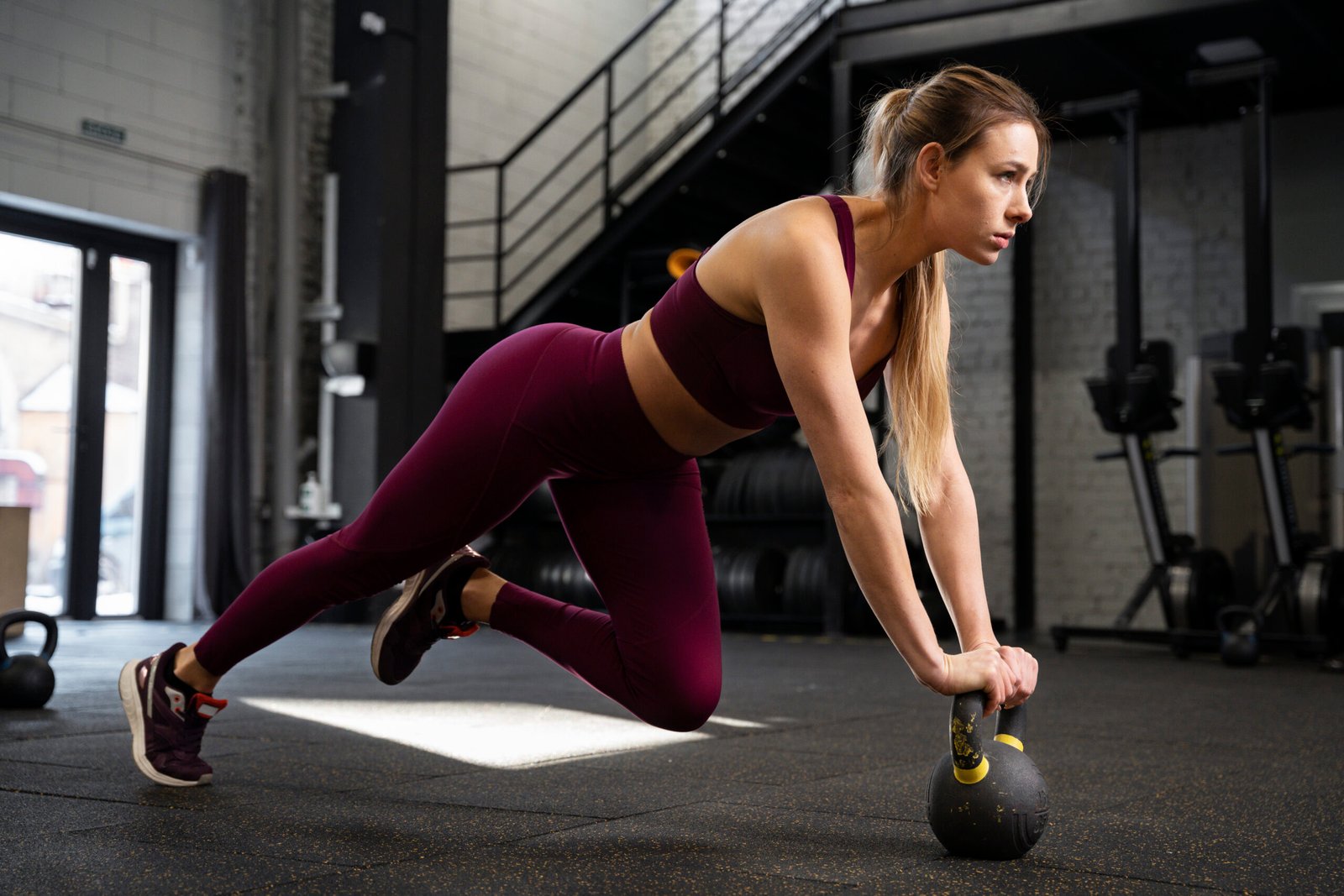
Understanding Functional Fitness Workouts
Functional Fitness Workouts when I hear the term “functional fitness,” my mind immediately jumps to a world of movement—one where strength, balance, and flexibility join forces to make everyday life a little bit easier and a lot more interesting. But what does functional fitness really mean, and why should you care?
What Exactly Is Functional Fitness?
Functional fitness is all about training your body to handle real-world activities—lifting, squatting, pushing, pulling, twisting, and balancing. Instead of focusing exclusively on how much weight you can bench or how fast you can sprint, functional fitness routines zero in on practical exercises that mimic the movements you use in your daily life.
Some common examples include:
- Squats (think about sitting down in a chair or picking up something off the floor)
- Lunges (walking up stairs or stepping over obstacles)
- Push-ups (getting up off the ground or pushing open a heavy door)
- Deadlifts (lifting groceries or a kiddo with proper form)
Why Should You Try Fitness?
If you ever want to tie your shoes without a groan, climb stairs like a champ, or power through a day of errands in one piece, then functional fitness is for you. I love how these workouts tend to be more engaging—there’s always variety, a sense of play, and a focus on movement that feels, well, natural.
Here’s why functional fitness can benefit just about everyone:
- Boosts everyday performance: The goal is to make day-to-day movements smoother and safer.
- Prevents injury: By strengthening muscles in an integrated way, you cut down on the risks that come from imbalances or poor movement patterns.
- Improves coordination and balance: Functional fitness often involves multi-plane, full-body moves that challenge your brain as well as your body.
- Adapts to all fitness levels: Whether you’re a complete beginner or a seasoned athlete, the fundamentals of functional fitness can be scaled.
Sample Functional Fitness
Curious about what a functional exercise session looks like? Here’s a friendly beginner mini-circuit:
- Bodyweight squats – 12 reps
- Push-ups (inclined if needed) – 10 reps
- Standing lunges – 10 reps per leg
- Glute bridge – 12 reps
- Plank – Hold for 20 to 30 seconds
Run through the circuit 2–3 times, rest as needed, and focus on your form above all.
Functional Fitness Myths (And Why I Laugh at Them)
- Myth 1: You have to be already fit. Nonsense—functional movements are for everyone!
- Myth 2: You need fancy equipment. Most exercises can be done with your bodyweight, or with household items.
- Myth 3: It’s just for athletes. Nope! It’s perfect for anyone who wants to move better and feel stronger, from college students to busy parents to retirees.
Getting Started
If you’re pondering where to start, it can be as simple as swapping out a few traditional exercises for functional ones. Listen to your body, start slow, and remember that quality always beats quantity. If in doubt, a certified personal trainer can guide you through the basics.
Functional fitness is much more than a trend—it’s a mindset and approach that helps you thrive outside the gym. Embrace it, and you’ll find life’s little movements getting easier (and more fun).







Leave a Reply