


Introduction Airbnb Business
Airbnb Business if you’ve ever thought about tapping into the short-term f, launching your own Airbnb business can be surprisingly achievable—and even a bit thrilling! I’ve walked this road, and in this guide, I’ll share all my favourite strategic steps (and some honest confessions from personal experience) on how to set up a successful Airbnb venture from scratch.
1. Understanding the Airbnb Model
First off, what does it actually mean to run an Airbnb business? At its core, you’re offering guests a place to stay, but you’re also curating an experience that stands apart from traditional hotels. Whether you’re listing a spare room, managing an entire property, or handling multiple listings for others, the key is hospitality with a personal touch.
2. Research and Planning Airbnb Business
A. Local Laws and Regulations
This is non-negotiable! City rules about short-term rentals can make or break your plans. I always suggest:
- Checking if short-term rentals are legal where you live or plan to invest
- Looking into licensing, permits, and local taxes
- Investigating any HOA or building restrictions
B. Assessing Market Demand
- Check out Airbnb and other platforms to see demand in your target neighborhood
- Identify your competition—not to copy them, but to stand out
C. Budgeting and Goals
Don’t skip this part! Decide:
- Your available funds for buying/renting, furnishing, and marketing
- What sort of returns you hope to achieve
3. Setting Up Your Space
A. Selecting the Property
My top advice: pick location over luxury. Guests generally care more about access (to sights, transit, dining) than a fancy chandelier.
B. Furnishing and Supplies
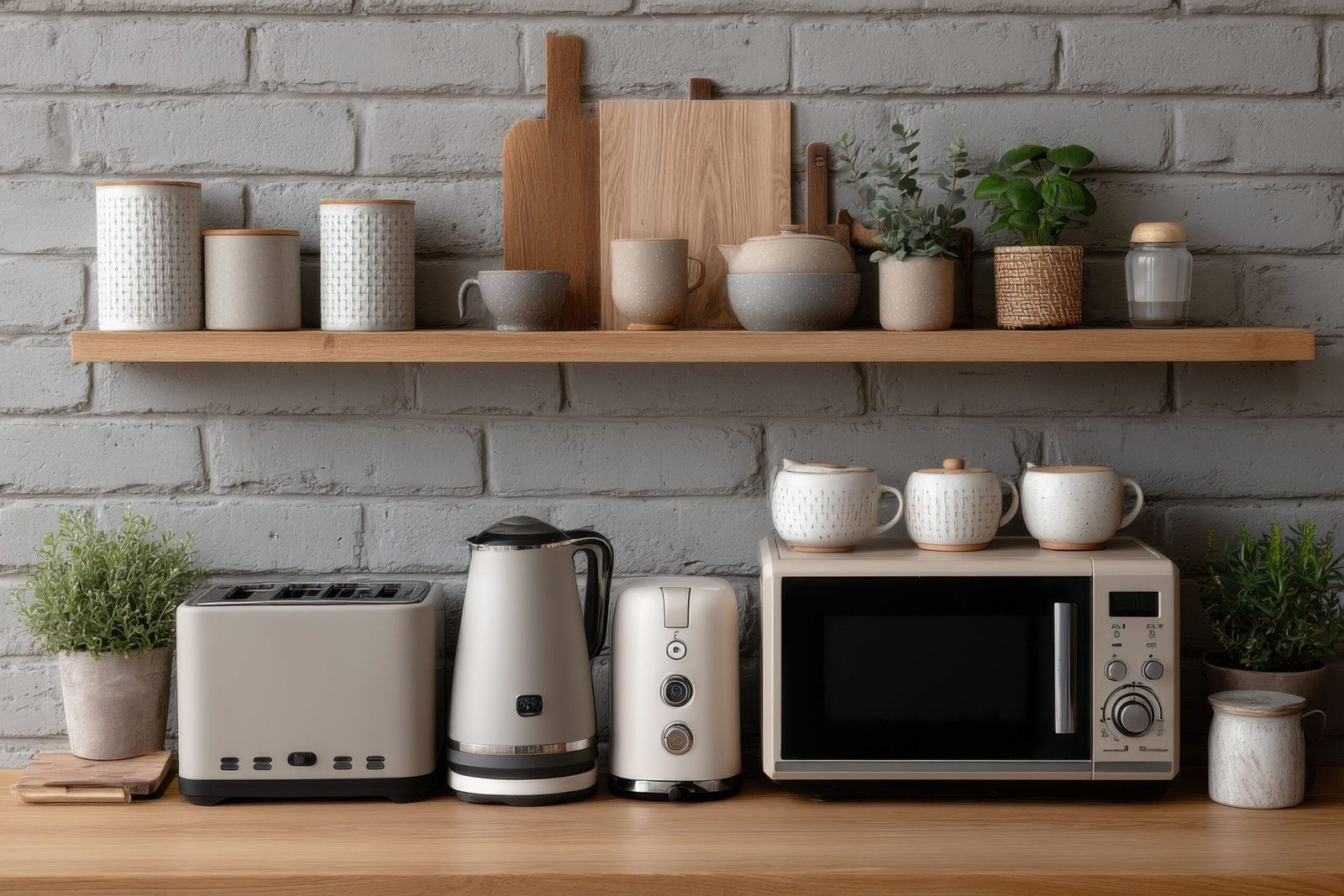
Go for a clean, inviting vibe. Essentials include:
- Comfortable beds and seating
- Super-fast Wi-Fi (non-negotiable these days)
- Stocked kitchen/bath basics
- Unique touches that photograph well (plants and art are magic!)
4. Listing Creation and Optimization
A. Standout Photography
Here’s where first impressions count. I invested in professional photos for my listing, and honestly, it paid off exponentially.
B. Compelling Descriptions
Write as if you’re inviting a friend—highlight what’s special about every nook.
C. Pricing Strategy
Look at comparable listings and test your price. Consider using Airbnb’s dynamic pricing tool, but don’t be afraid to adjust to fill your calendar.
5. Guest Experience Airbnb Business
A. Communication
Rapid, friendly responses encourage bookings and smooth stays.
B. Cleanliness and Reliability
Cleanliness can’t be emphasized enough. Having a trusted cleaning partner saves a lot of stress.
C. Personal Touches
Handwritten notes or local tips go a long way! I still get five-star reviews for a quirky neighborhood map I drew up for guests.
6. Managing Bookings and Scaling Up
A. Time Management
Decide if you’re hands-on or need co-hosts/property managers.
B. Guest Reviews
Encourage guests to leave feedback, and always respond to reviews—you’re building your reputation one guest at a time.
C. Expansion
Once your first listing is humming, consider investing in new locations or handling units for others (co-hosting).
7. The Challenges and Rewards
Being an Airbnb host isn’t all passive income and happy guests. There are late-night calls and the occasional tricky situation. But for me, the flexibility, meeting people from around the world, and watching my business grow have made it worth every effort.
Conclusion Airbnb Business
Starting an Airbnb business is equal parts preparation and personality. Do your homework and don’t be afraid to put your own stamp on the hosting process. If you focus on guest experience, adapt to feedback, and stay on top of regulations, you’re well on your way to setting up a thriving Airbnb business. So—are you ready to get those keys and open your doors?





Leave a Reply